

Wellness Guides & Articles
Simple, evidence-aware guides to help you explore stress, sleep, breathwork, nutrition, supplements, and calmer daily routines.

All Guides
Explore practical, evidence-informed guides for stress, sleep, breathing, mindset, body awareness, and everyday well-being.
Start Here
A good place to begin — our most-read guides.

How to Stop Taking Every Thought So Seriously
A thought is not always a fact. Learn how to create a little distance from automatic thoughts — by naming them, checking the facts, and choosing a more intentional next step — without forcing them away.

How to Make Decisions When You Feel Overwhelmed
When you feel overwhelmed, even ordinary choices can start to feel heavier than they are. Learning to reduce mental noise, separate facts from fear, and focus on one practical next step can make decision-making feel more manageable.

How the Diaphragm Moves Air: The Mechanics of Respiration
The diaphragm is the primary muscle of inspiration. This guide explains how it changes pressure inside the chest, why the belly may move as you breathe, and how to begin with a gentle, unforced awareness practice.
All Guides

How Daily Meditation Can Help Reduce Stress
Meditation won't erase your stress — but it can change how your body responds to it. Here's a calm, honest look at what a short daily practice can actually do for you.

How Magnesium Supports a Calmer Nervous System
Magnesium plays a key role in regulating the nervous system. Learn how adequate intake may help support a sense of calm and mental balance.

How to Build an Evening Routine That Supports Better Sleep
Better sleep does not begin the moment your head touches the pillow. A realistic evening routine can help the body move gradually from daily alertness toward rest.

The Stress-Sleep Cycle: Why Stress Can Keep You Awake
Stress can make it harder to rest, and a difficult night can make the next day feel even more demanding. Learn how the stress-sleep cycle works and what may help the body transition toward rest.

The Internal Clock: How Your Circadian Rhythm Controls Sleep
Your body follows an internal rhythm that helps shape when you feel alert and when you begin to slow down. Learn how light, timing, and daily habits may support a steadier sleep-wake cycle.

Racing Thoughts at Night: How Worry and Rumination Affect Sleep
Why do thoughts often feel louder when the day becomes quiet? Learn how worry and rumination may affect sleep, and explore gentle ways to create a calmer transition into rest.

Ashwagandha: What the Research Actually Says
Ashwagandha is one of the most visible herbs in the wellness world. But what does the evidence actually say about stress, sleep, and anxiety — and where does it fall short?
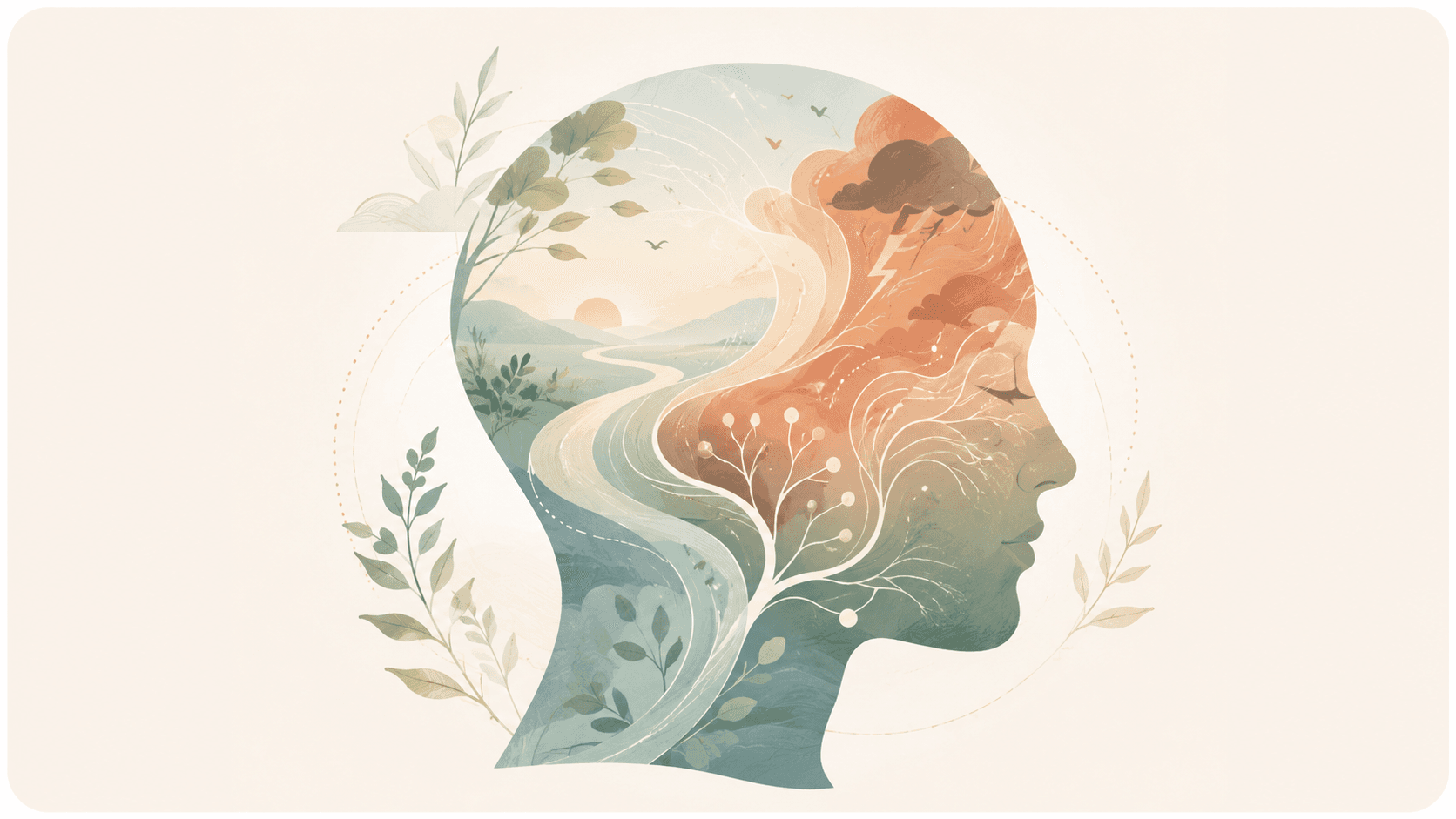
Understanding Cortisol and Its Role in Daily Stress
Cortisol is often described as the body's stress hormone, but that is only part of the story. Learn why cortisol is essential, how it changes throughout the day, and what ongoing stress may mean for daily wellbeing.

L-Theanine: A Calm Focus Without the Crash
Found naturally in green tea, L-theanine is often paired with caffeine for a smoother mental energy. Here's what you should know.

What Is Stress and How It Affects Your Body
Stress is more than a feeling. It is a physical process that changes how your body functions. Understanding exactly what happens — and why — is the first step toward doing something about it.

How Your Nervous System Responds to Stress
Your nervous system is not broken — it is doing exactly what it was designed to do. Understanding its two main modes and how to shift between them is one of the most useful things you can learn.

Daily Habits for a Calmer Nervous System
You cannot think your way to a calmer nervous system. But you can build it — through small, consistent daily habits that signal safety to your body and gradually shift your baseline.
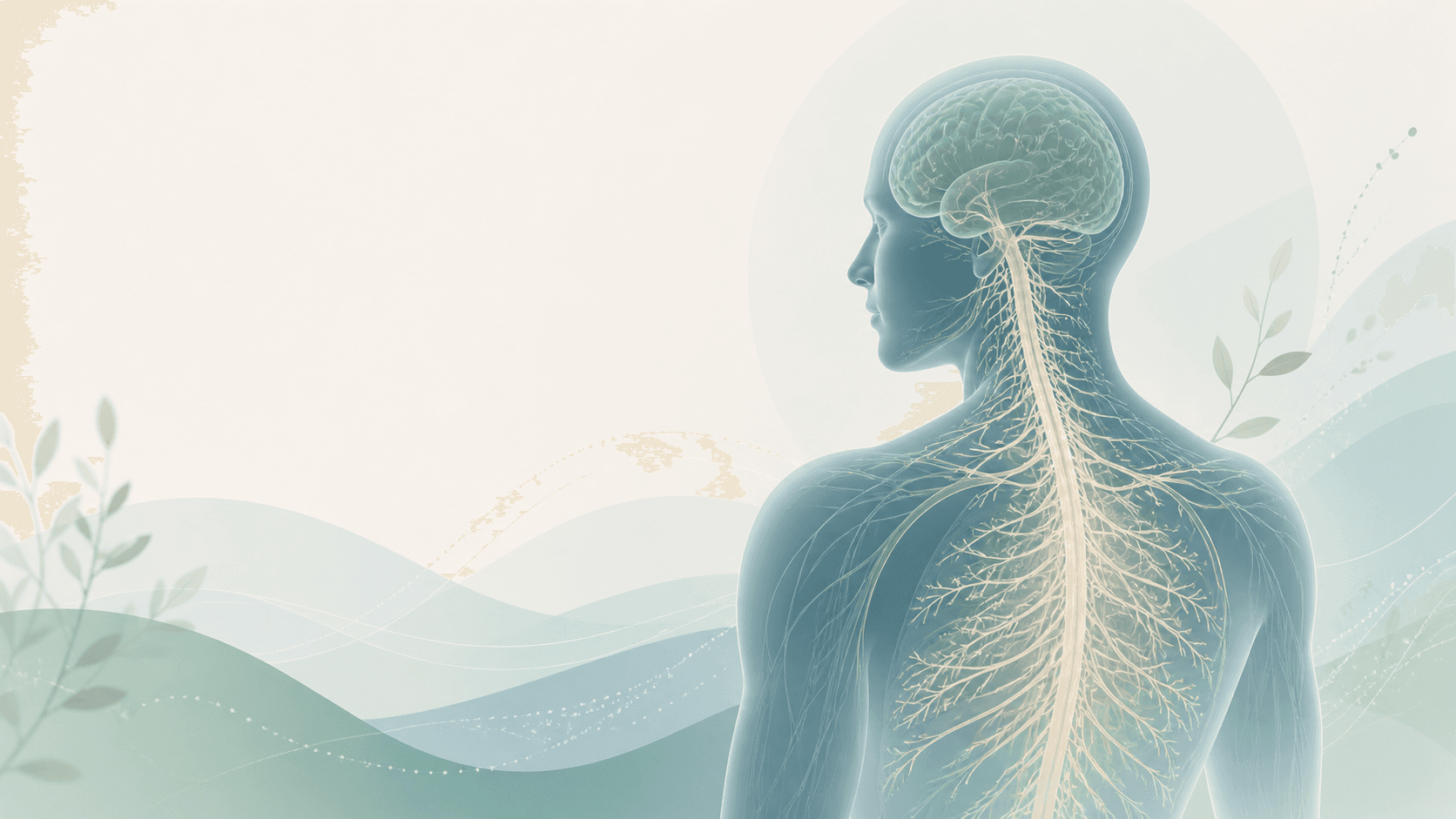
How Stress Affects the Nervous System
Stress is not just a feeling — it is a physical process that runs through your nervous system. Understanding what happens inside your body when you're under pressure is the first step to finding your way back to calm.

Magnesium: A Foundation for a Calmer Nervous System
Magnesium plays a quiet but important role in how we manage stress and find rest. This essential mineral may support a calmer, more balanced nervous system.

Supplements, Mood, and Sleep: What the Research Suggests
Explore the current research on how certain nutritional supplements may support mood and sleep quality as part of a varied, balanced lifestyle.

Breath Work 101: A Beginner's Guide to Conscious Breathing
Breathing is both automatic and voluntarily adjustable. This beginner's guide explains how gentle breathing practices may support stress regulation, heart rhythm and body awareness — without forcing the breath or chasing a perfect technique.

The Autonomic Nervous System: What Happens When the Body Feels Stressed
Stress can change the way we breathe, but the relationship also works in the other direction. This guide explains the autonomic nervous system and how gentle breathing practices may support a gradual shift toward a calmer state.

Why Your Heart Rate Changes When You Breathe
Your heart rate is not a steady metronome. This guide explains how breathing naturally changes the timing between heartbeats, what HRV and RSA mean, and why comfortable slow breathing may support regulation without chasing a perfect number.

Caffeine and Sleep: How Timing Can Affect Your Night
Caffeine can affect sleep even when falling asleep does not feel difficult. Learn how timing, quantity, and individual sensitivity may shape the quality of your night.

Evening Light and Melatonin: Why Your Screen Habits Matter
Evening light can affect the body's transition toward sleep. Learn how screens, brightness, and late-night content may shape your rest — and how to create a softer landing into the night.

Breathing Exercises Before Bed: A Gentle Way to Wind Down
A short breathing practice can create a quieter transition between a busy day and bedtime. Learn how to explore gentle breath awareness and a softer exhale without rigid counting, force, or pressure to fall asleep.

Breath Work Mistakes Beginners Often Make
Breath work does not need to feel intense to be useful. Learn nine common beginner mistakes and discover gentler alternatives that prioritize comfort, flexibility, and a more sustainable approach to breathing practice.
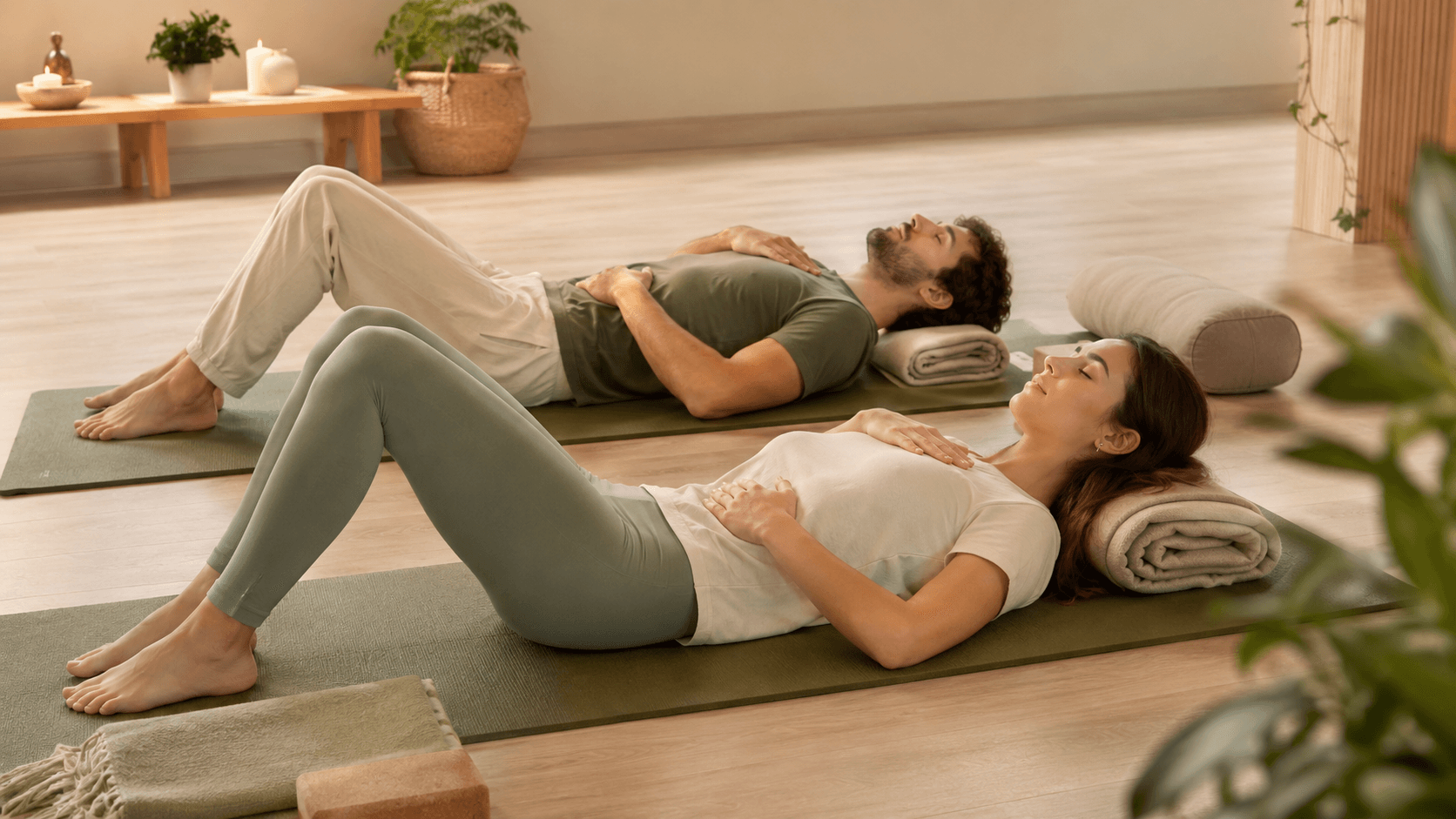
Breathing Techniques for Beginners: 3 Gentle Practices to Try
Explore three beginner-friendly breathing techniques: breath awareness, gentle diaphragmatic breathing, and a softer exhale. This practical guide helps you begin with comfort, simplicity, and no pressure to follow a perfect rhythm.

How Your Thoughts Can Shape the Way Stress Feels
Stress is shaped by real-life demands, but also by the meaning we give them. Learn how to separate events from interpretations and explore a simple reflection exercise for responding with more clarity.

How to Recognize Your Inner Critic
The inner critic often turns small mistakes into sweeping conclusions. Learn how to identify harsh self-talk, distinguish it from useful reflection, and practice a more balanced way of responding to yourself.

Catastrophic Thinking: When the Mind Jumps to the Worst-Case Scenario
Catastrophic thinking can turn a small uncertainty into a much larger story. Learn how to separate facts from assumptions, notice worst-case thinking, and take one practical next step.

Overthinking or Problem-Solving? How to Notice the Difference
Thinking about a problem is not always the same as solving it. Learn how to recognize repetitive overthinking, separate it from useful reflection, and identify one practical next step.

A Beginner's Guide to Cognitive Reframing
Cognitive reframing is a practical way to examine automatic thoughts and look for a more balanced interpretation. Learn how to separate the facts from the story your mind adds — and choose a clearer next step.

How to Build Mental Resilience Without Ignoring Difficult Emotions
Resilience is not about staying positive all the time. Learn how to meet difficult moments with greater honesty and flexibility — by acknowledging emotions, focusing on what is within your control, and taking one grounded next step.

Why Your Mind Gets Stuck in Negative Loops
When the mind keeps returning to the same worry or replaying the same moment, it can feel as if thinking harder should lead to an answer. Understanding the difference between useful reflection and a negative thought loop can help you respond with more clarity and less pressure.

What Is Body Awareness and Why Does It Matter?
Body awareness is the ability to notice internal signals such as tension, hunger, fatigue, and changes in breathing without becoming overly focused on them. Learning to recognize these signals earlier can help you respond to stress with more care and less pressure.

How Stress Can Show Up in the Body
Stress is not only a mental experience. It may also show up through muscle tension, changes in breathing, fatigue, restlessness, sleep disruption, or digestive discomfort. Learning to notice patterns gently can help you respond earlier without assuming that every symptom is caused by stress.

Why You May Carry Tension in Your Jaw, Neck, and Shoulders
Jaw, neck, and shoulder tension often builds gradually during demanding days. Stress, posture, screen time, fatigue, and jaw clenching may all play a role. Learning to notice these patterns gently can help you respond earlier, without assuming that every ache is caused by stress.

A Beginner's Guide to Body Scanning
A body scan is a simple way to pause and notice what is happening in your body without trying to fix every sensation. This beginner-friendly guide offers a calm 3–5 minute practice you can use during ordinary days.

How to Notice Physical Signs of Overwhelm Earlier
Overwhelm does not always arrive all at once. It may begin with small physical signals such as a tight jaw, raised shoulders, changes in breathing, fatigue, or difficulty focusing. Learning to notice your own patterns gently can help you respond earlier.

The Difference Between Resting and Actually Releasing Tension
Sitting on the couch or lying in bed does not always mean the body has let go of the day. Jaw clenching, raised shoulders, shallow breathing, and mental rumination can remain active even during rest. A few gentle practices may help create more ease.

How Gentle Movement Can Help You Reconnect With Your Body
Gentle movement does not need to be a workout. Small shifts in position, a short walk, or a few easy shoulder rolls can help you notice stiffness, reconnect with your body, and create a little more ease during the day.

A Beginner's Guide to Supplements: What to Know Before You Buy
The supplement aisle can feel confusing. This beginner-friendly guide explains what supplements are, why quality and safety matter, what to check on a label, and when to ask a healthcare professional for guidance.

How to Choose a High-Quality Supplement
Two supplements with the same ingredient name can still differ in important ways. This guide explains how to read the label, compare forms and serving sizes, understand quality testing, and spot vague marketing claims before you buy.

Supplement Safety: What to Know About Interactions and Side Effects
Natural does not automatically mean risk-free. Dietary supplements can cause side effects, interact with medications, or be unsuitable in certain situations. This guide explains the basic safety checks to make before adding a new product.
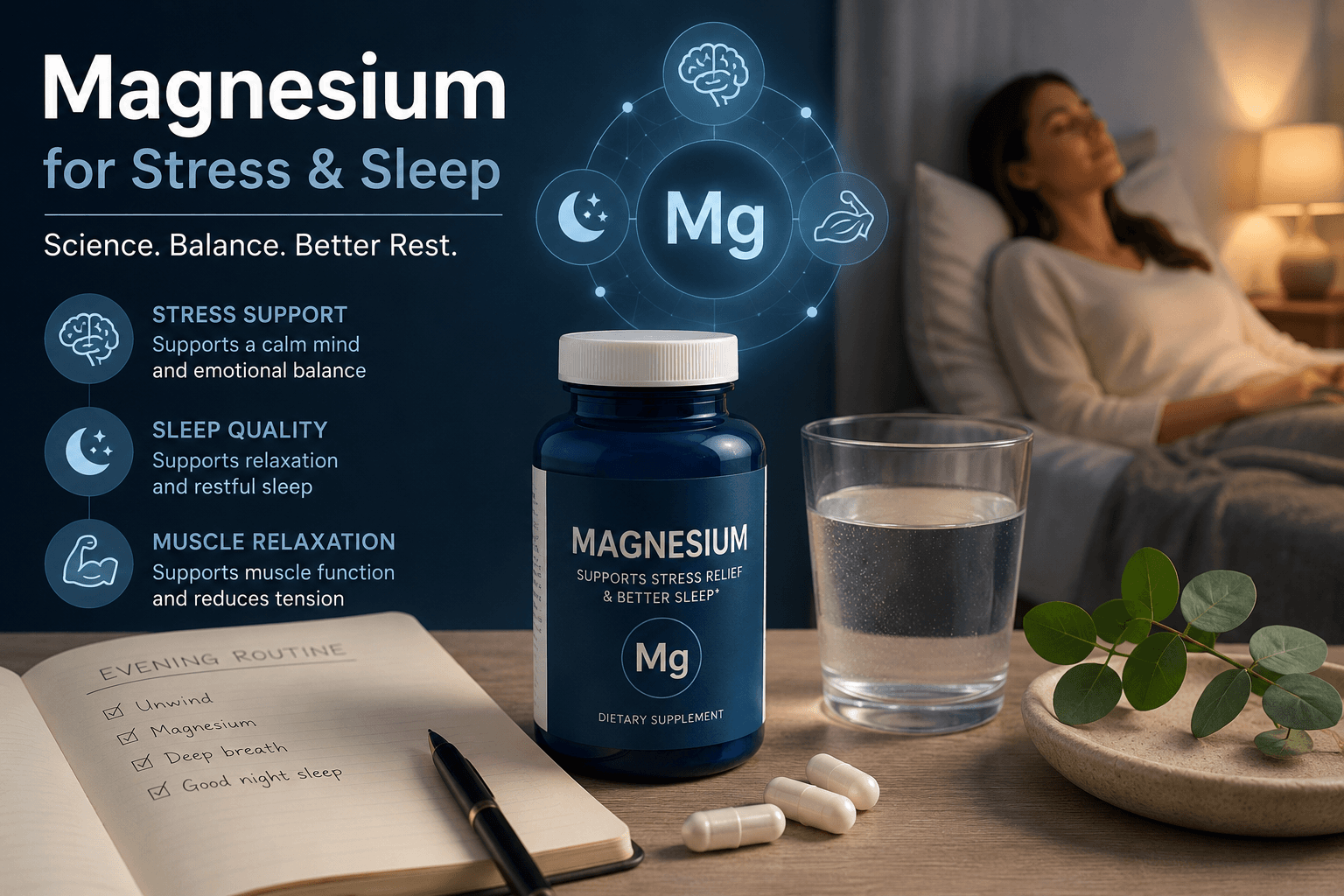
Magnesium for Stress and Sleep: What the Research Actually Says
Magnesium is essential for normal muscle and nerve function, but its reputation as a universal sleep or stress solution is stronger than the current evidence. This guide explains what is known, what remains uncertain, and what to check before choosing a product.

Magnesium Glycinate, Citrate, and Oxide: What Is the Difference?
Magnesium supplements come in several forms, and the label can be confusing. This guide explains the difference between glycinate, citrate, and oxide, why elemental magnesium matters, and what to check before choosing a product.
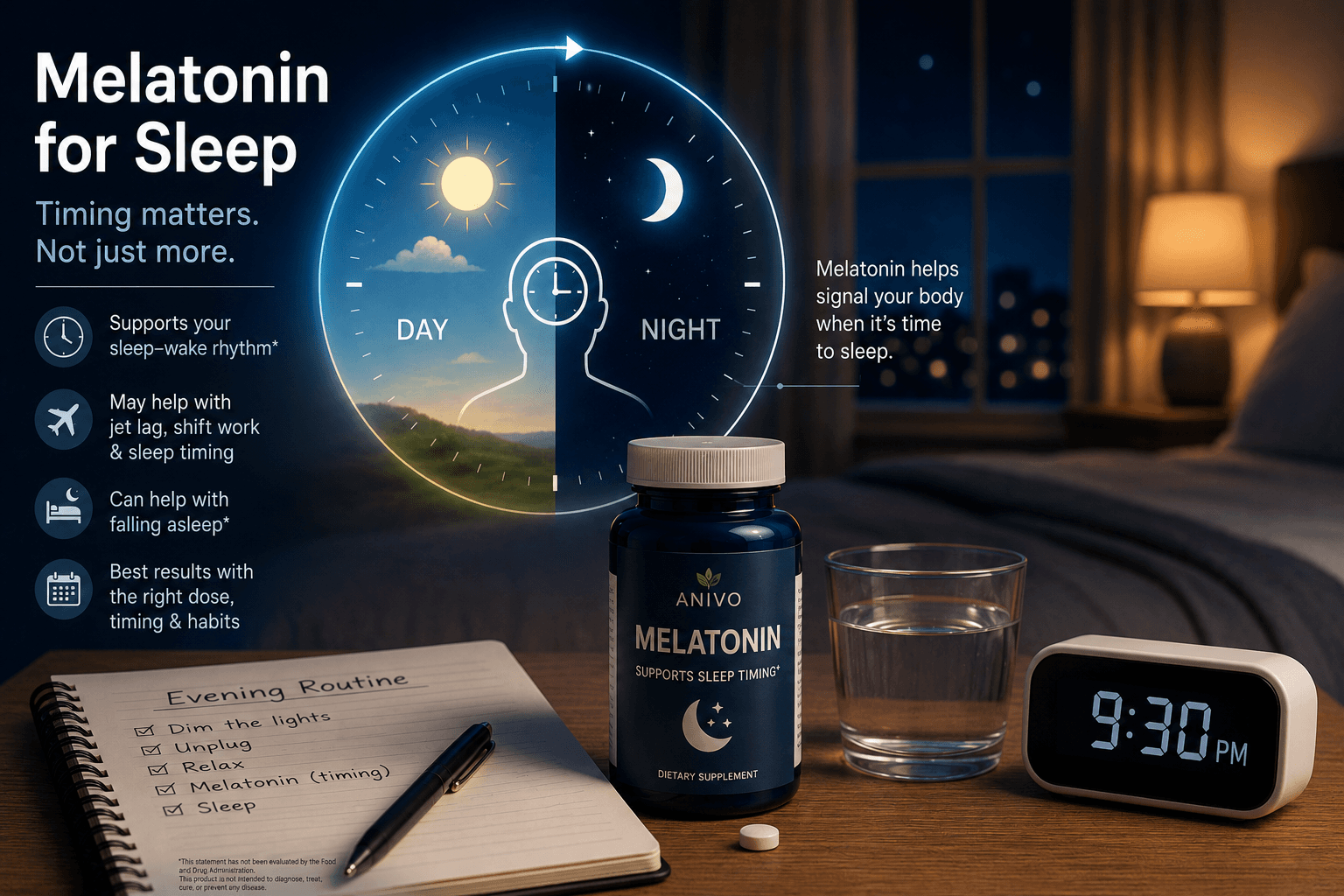
Melatonin for Sleep: What It May Help With and What to Consider
Melatonin is not a general sleeping pill. It is a hormone involved in the timing of the sleep-wake rhythm. This guide explains what it may help with, what remains uncertain, and what to check before choosing a product.

How to Build a Balanced Plate Without Overthinking Every Meal
Healthy eating is best viewed as a pattern over time, not a rigid rule for every bite. A simple visual framework can make everyday meals easier to assemble.
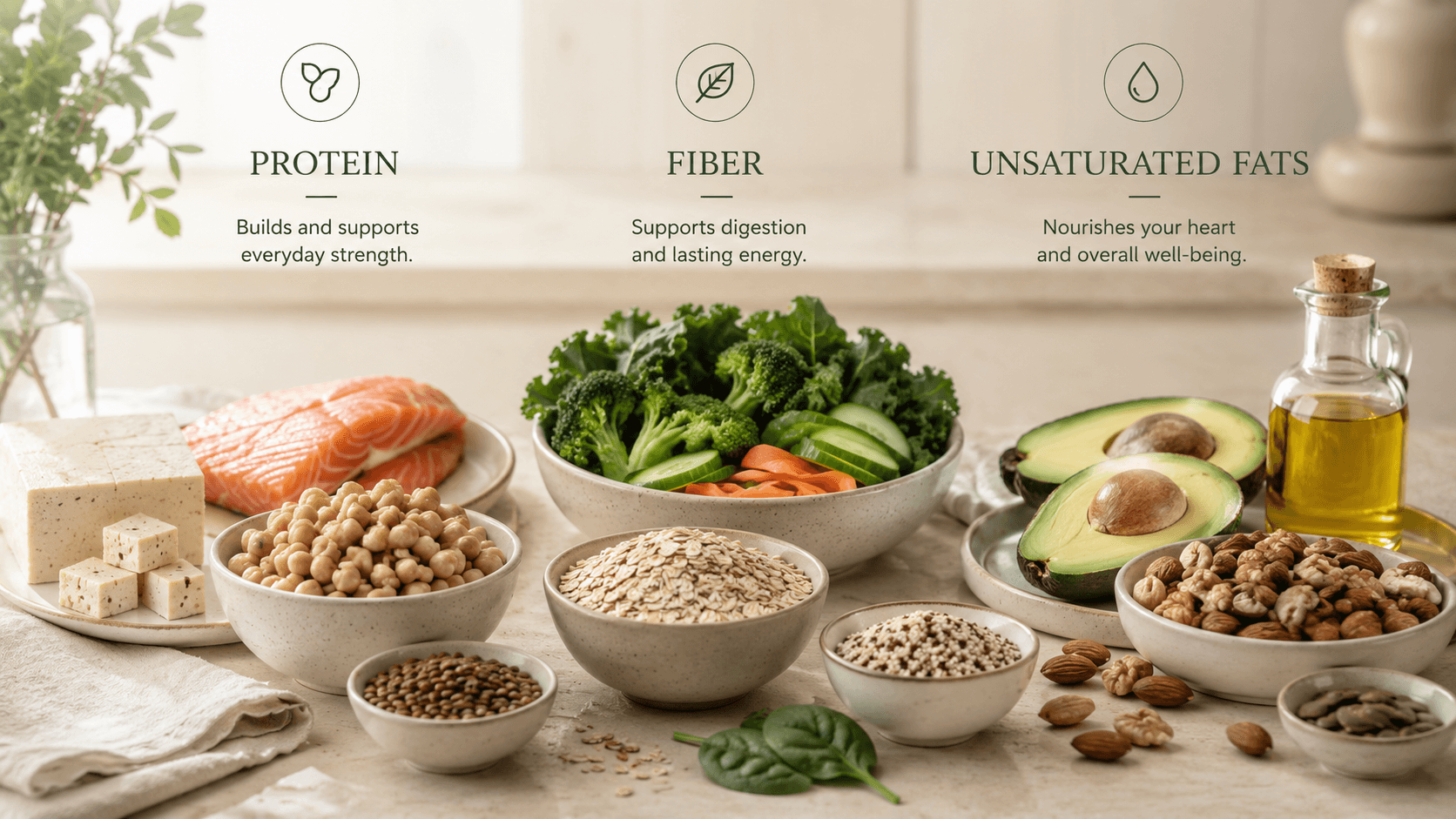
Protein, Fiber, and Unsaturated Fats: A Practical Guide to Everyday Meals
Protein, fibre, and unsaturated fats can make meals more satisfying and varied. Here is how to recognise them and combine them in everyday cooking.

Creating a More Regular Eating Routine During Busy Days
There is no perfect eating schedule. A more intentional routine may help some people plan ahead, manage hunger, and make food choices with less pressure.
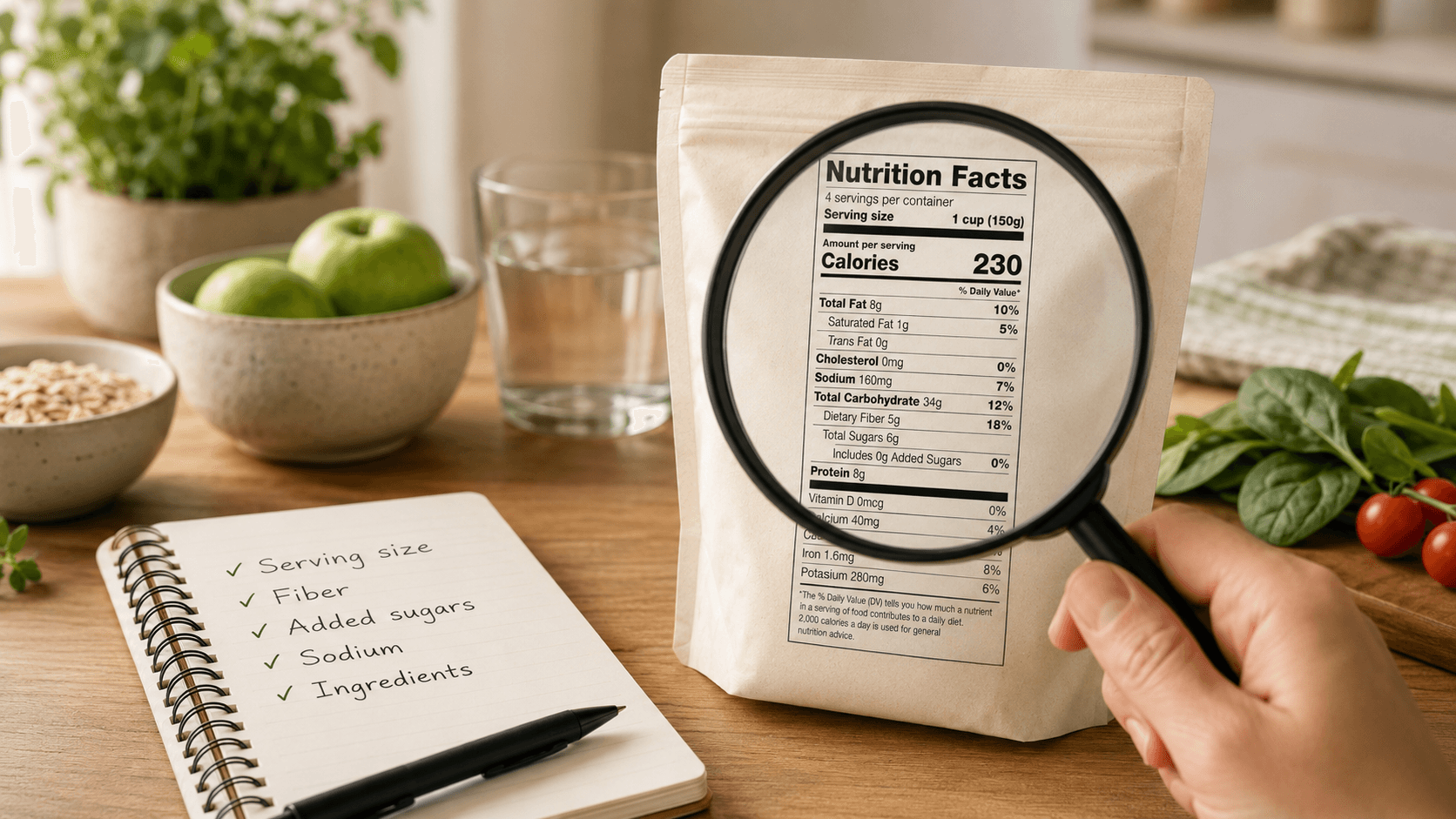
How to Read U.S. Nutrition Facts Labels Without Getting Lost in Marketing Claims
Marketing claims can be distracting. A few simple checks on the U.S. Nutrition Facts label can make packaged-food choices easier to compare.

Small Nutrition Habits That Make Eating Well Easier During Busy Weeks
When time is tight, the goal is not perfect meal preparation. A few practical shortcuts can make everyday food choices easier and less stressful.

Become an ANIVO member
Get new wellness guides, useful updates, and occasional member-only offers.