
Magnesium for Stress and Sleep: What the Research Actually Says
Magnesium is essential for normal muscle and nerve function, but its reputation as a universal sleep or stress solution is stronger than the current evidence. This guide explains what is known, what remains uncertain, and what to check before choosing a product.
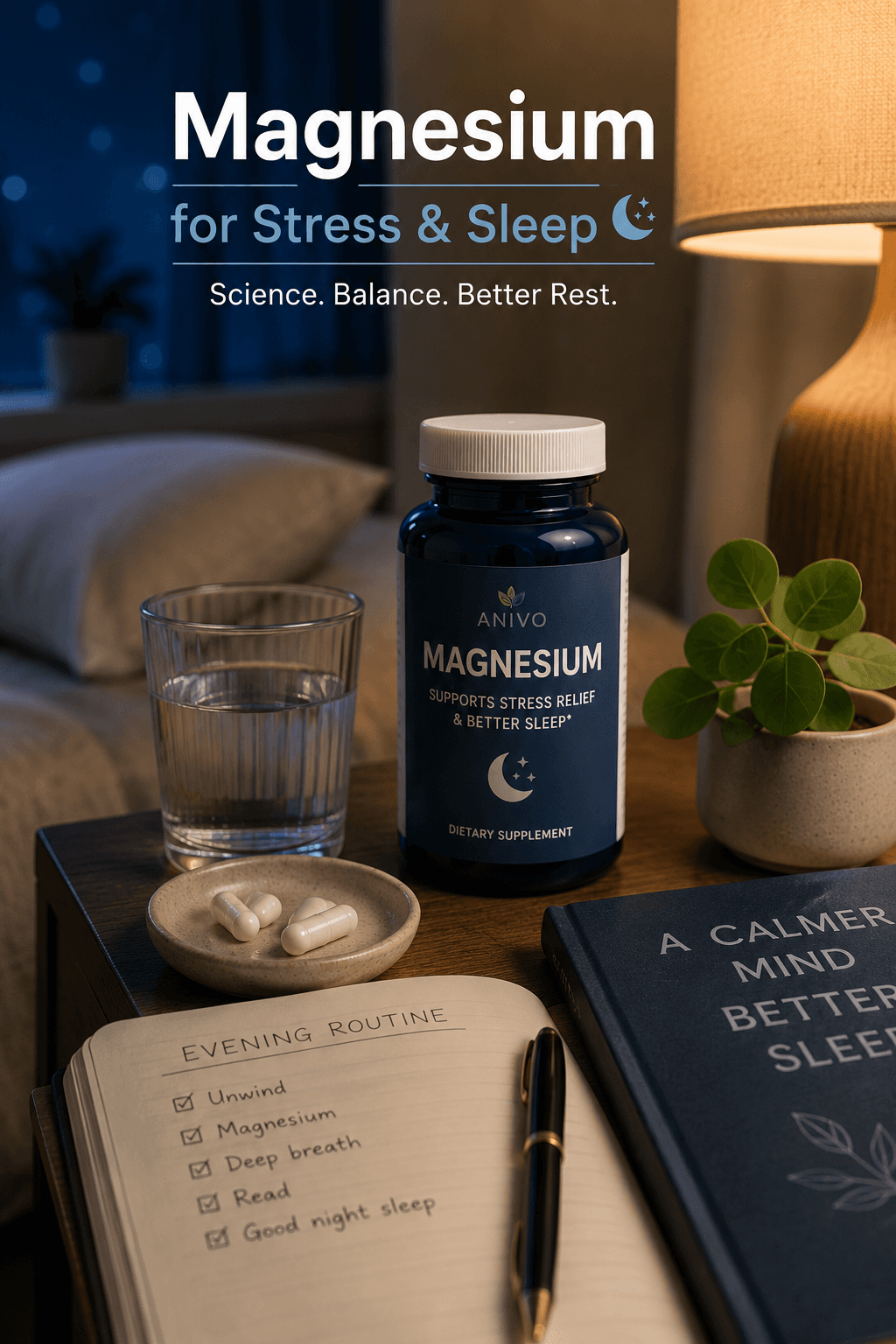
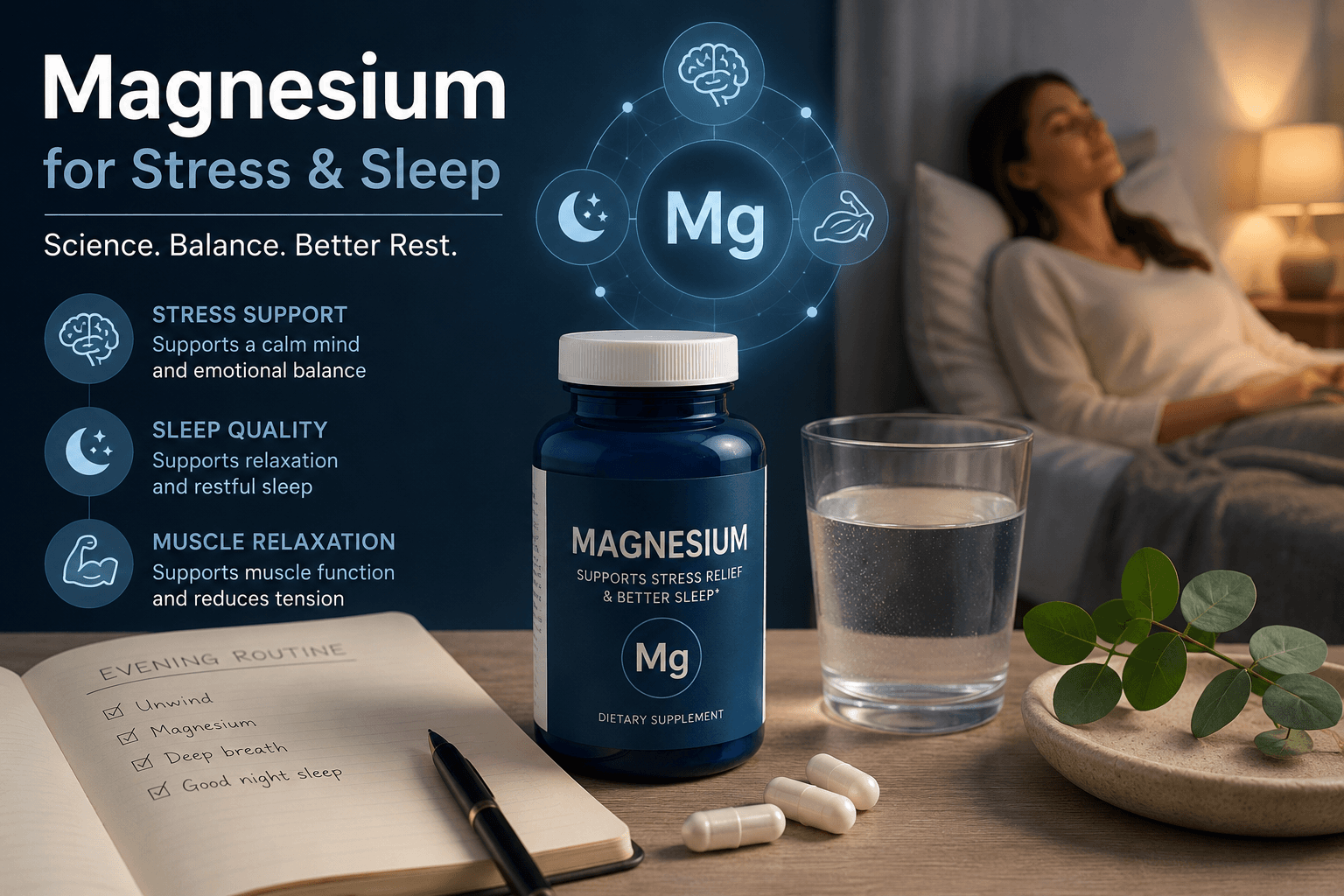
Magnesium has become one of the most visible supplements in the wellness world.
It appears in evening routines, sleep discussions, muscle-recovery products, and stress-support guides. Online, it is sometimes presented as a simple answer for a restless mind, tense muscles, or difficulty winding down.
But popularity and evidence are not the same thing.
Magnesium is an essential mineral. The body needs it for many important functions, including normal muscle and nerve function.
That does not mean every person will feel noticeably calmer or sleep better after taking a supplement.
This guide separates the basic facts from the stronger claims.
What is magnesium?
Magnesium is a mineral found naturally in many foods and available as a dietary supplement.
It plays a role in:
- normal muscle function
- normal nerve function
- energy production
- blood glucose regulation
- blood pressure regulation
- bone health
Foods that provide magnesium include:
- leafy green vegetables
- legumes
- nuts
- seeds
- whole grains
- fortified foods
Why do people consider magnesium for stress and sleep?
Magnesium is often associated with relaxation because it is involved in normal nerve and muscle function.
That makes it easy to understand why people consider it when they feel:
- physically tense
- restless at night
- tired but unable to settle
- concerned that their diet may not provide enough magnesium
What does the research say about magnesium and sleep?
The evidence is more limited than social media often suggests.
The National Center for Complementary and Integrative Health notes that there is very little research on magnesium supplements for insomnia and other sleep disorders.
A review of small studies suggested that magnesium may help some older adults with insomnia fall asleep a little faster.
But the studies were limited and not strong enough to support a confident conclusion.
What about stress and anxiety?
Magnesium is also widely marketed for stress and anxiety.
There are plausible reasons researchers are interested in this area, because magnesium is involved in normal nervous-system function.
But the evidence for using magnesium supplements as a general stress or anxiety intervention is not clear enough to make broad promises.
Why baseline magnesium status matters
A supplement may be more relevant when magnesium intake is low or when a healthcare professional identifies a reason for concern.
Some people are more likely to have low magnesium intake or deficiency. The NIH Office of Dietary Supplements notes that certain groups may be at greater risk, including:
- people with gastrointestinal diseases
- people with type 2 diabetes
- people with long-term alcohol dependence
- older adults
Common magnesium forms
Magnesium supplements come in several forms. The label should state the form clearly.
Common examples include:
- magnesium citrate
- magnesium chloride
- magnesium lactate
- magnesium oxide
- magnesium sulfate
- magnesium glycinate or bisglycinate
What does "elemental magnesium" mean?
The number that matters most is the amount of elemental magnesium provided per serving.
A product name may include a larger number because magnesium is bound to another compound. That can make labels confusing.
When comparing products, check:
- the magnesium form
- the amount of elemental magnesium
- the number of capsules or scoops per serving
- the number of servings per container
Side effects and safety considerations
Magnesium from food is not generally a concern for healthy people.
But high intakes from supplements and medications can cause side effects.
Common side effects include:
- diarrhea
- nausea
- abdominal cramping
Medication interactions
Magnesium can interact with some medications.
For example, it may affect the absorption of certain antibiotics and bisphosphonates.
Some diuretics and long-term acid-reflux medications may also affect magnesium status.
What to check before buying
Before choosing a magnesium supplement, ask:
- What is my goal? Am I addressing a known need, or responding to a broad marketing claim?
- What form is listed? Does the label clearly state citrate, chloride, glycinate, oxide, or another form?
- How much elemental magnesium is included? Is the amount per serving easy to find?
- What is the serving size? How many capsules, tablets, or scoops make up one serving?
- Are there additional ingredients? Is the product simple and transparent?
- Could it interact with my medication? Would a pharmacist need to review it?
- Is kidney health relevant? Do I have a condition that changes the safety decision?
- Are the claims realistic? Does the product avoid promises such as "guaranteed sleep" or "instant stress relief"?
A calm buying rule
Do not choose magnesium only because the bottle uses sleep-focused branding.
Choose it only after you understand:
- why you are considering it
- what form it contains
- how much elemental magnesium it provides
- whether the label is transparent
- whether professional advice is appropriate
Final thought
Magnesium is important.
But "important nutrient" does not automatically mean "proven sleep supplement."
The most responsible approach is balanced:
- start with food sources
- consider whether your intake may be low
- read the label carefully
- compare forms and serving sizes
- ask about interactions
- keep expectations realistic
Educational Disclaimer
This content is for informational and educational purposes only. It is not intended as medical advice and does not replace professional consultation. Always speak with a qualified healthcare provider before making changes to your health routine.
Sources & Further Reading
Product information is provided for educational comparison. Purchase links may be added later and may include affiliate links.
Related products
Explore products connected to this guide. Review the label, serving size, and key details before choosing.
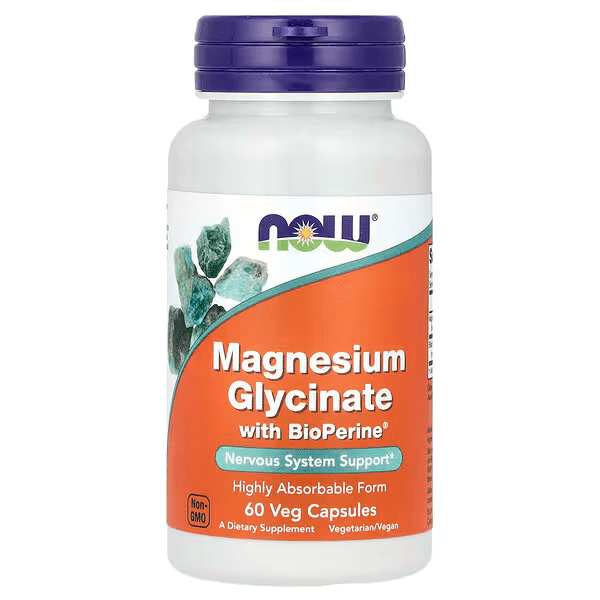
NOW Foods
Magnesium Glycinate With BioPerine®
Magnesium bisglycinate with BioPerine® black pepper extract.
- Format
- Magnesium bisglycinate vegetarian capsules with BioPerine®
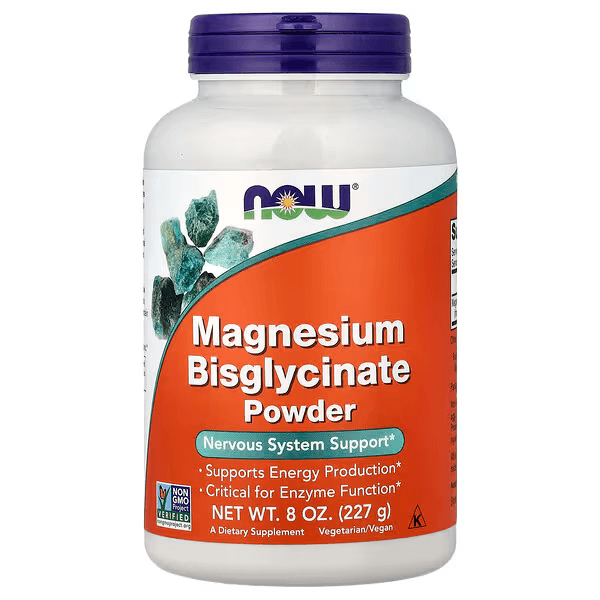
NOW Foods
Magnesium Bisglycinate Powder
Magnesium bisglycinate powder with 300 mg elemental magnesium per teaspoon.
- Format
- Powder

Solgar
Magnesium Citrate
Magnesium citrate in a 120-tablet bottle with 60 servings.
- Format
- Tablets
A Practice to Try
A short guided practice connected to this topic.
Nervous System Reset | Guided Breathwork
Beginner
A guided breathwork practice designed to help you explore short, intentional breathing patterns and return to a calmer state. This practice may support a sense of reset and nervous system awareness.
This practice is for educational purposes only and is not medical advice. If you feel unwell or have a medical condition, consult a qualified healthcare professional before starting any new practice.
Related Reading

A Beginner's Guide to Supplements: What to Know Before You Buy
The supplement aisle can feel confusing. This beginner-friendly guide explains what supplements are, why quality and safety matter, what to check on a label, and when to ask a healthcare professional for guidance.

How to Choose a High-Quality Supplement
Two supplements with the same ingredient name can still differ in important ways. This guide explains how to read the label, compare forms and serving sizes, understand quality testing, and spot vague marketing claims before you buy.

Supplement Safety: What to Know About Interactions and Side Effects
Natural does not automatically mean risk-free. Dietary supplements can cause side effects, interact with medications, or be unsuitable in certain situations. This guide explains the basic safety checks to make before adding a new product.

Continue exploring
Discover guides, supplements, books, and practical resources for stress & mental balance.