
How Your Nervous System Responds to Stress
Your nervous system is not broken — it is doing exactly what it was designed to do. Understanding its two main modes and how to shift between them is one of the most useful things you can learn.
Quick Summary
- The autonomic nervous system runs on two modes: sympathetic (stress/action) and parasympathetic (rest/recovery).
- Health is about moving fluidly between these modes — not staying permanently in either one.
- The vagus nerve is the main pathway of the parasympathetic system and a key lever for calm.
- Higher vagal tone is linked to better stress resilience and more flexible emotional responses.
- Vagal tone is trainable through slow breathing, movement, and consistent daily habits.
Guided View
Two modes, one system
The sympathetic branch activates under stress. The parasympathetic brings you back to calm. Balance between them — not absence of stress — is what matters.
The vagus nerve
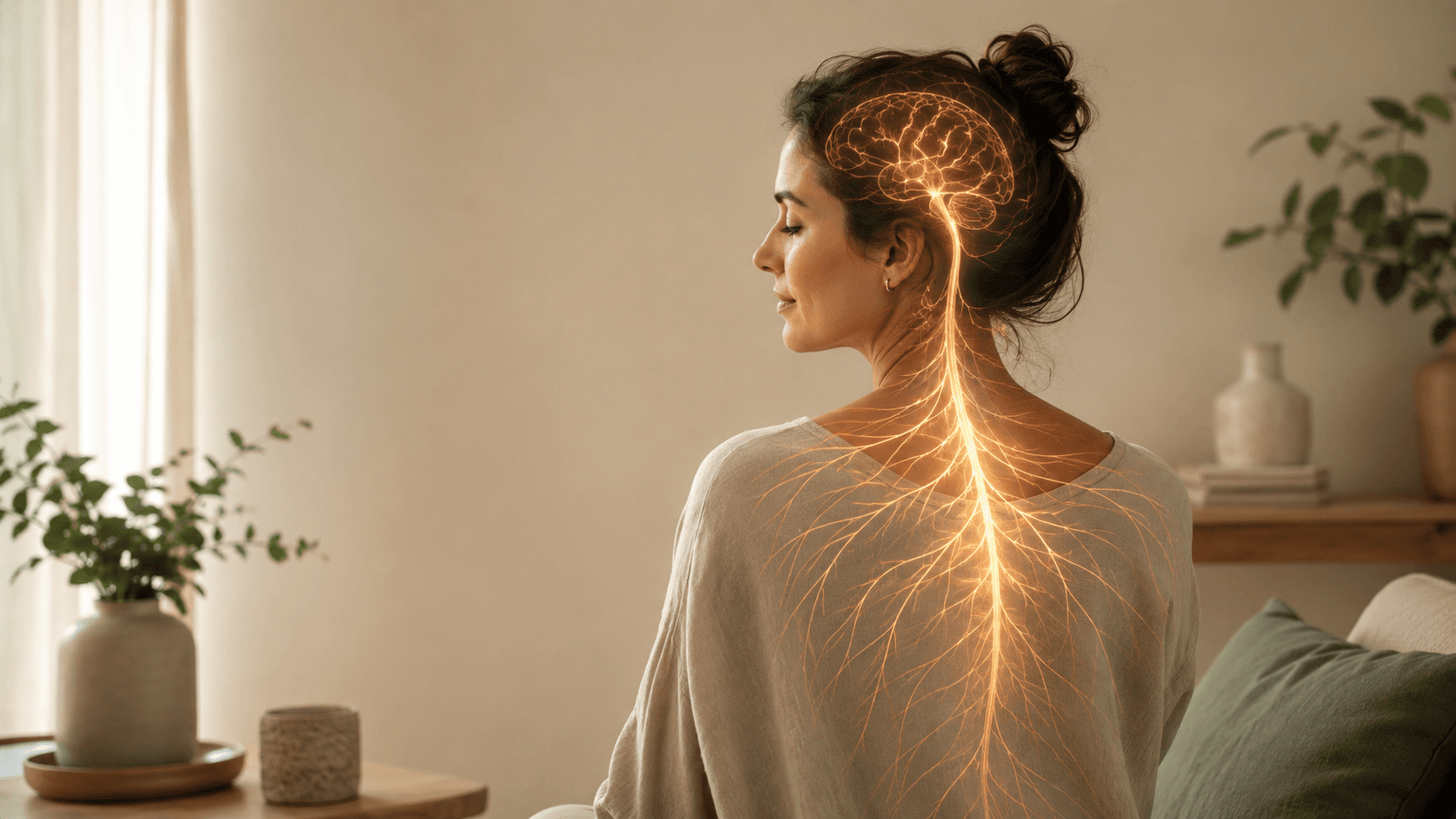
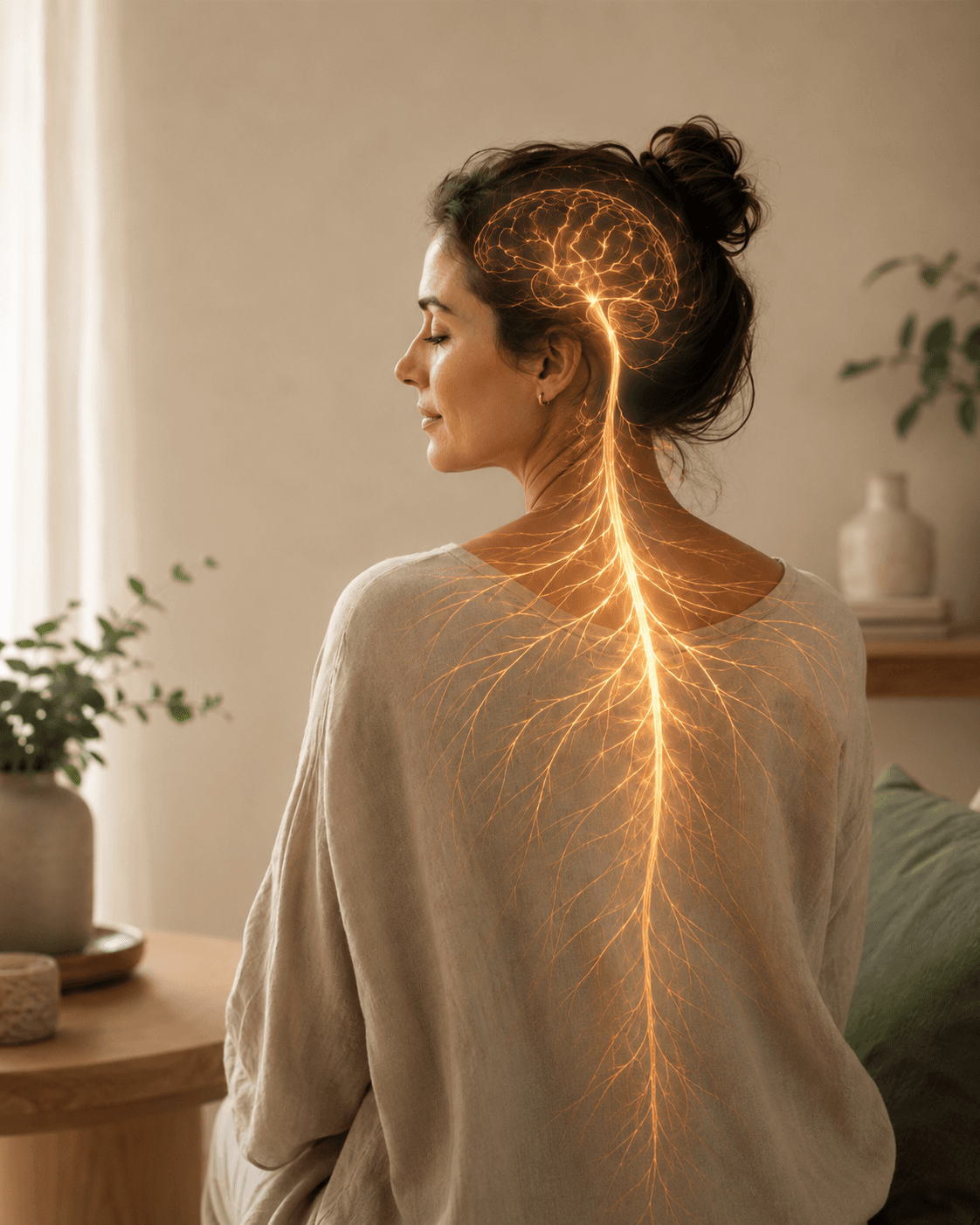
The vagus nerve is the main highway of your rest-and-recover system. When it is active, your heart slows, digestion resumes, and the body feels safer.
When the alarm stays on
Chronic stress keeps the sympathetic system dominant. Over time, the body forgets how to return to baseline — and background tension becomes the new normal.
How to shift it
Slow breathing, regular movement, social connection, and consistent routines stimulate the vagus nerve and help restore nervous system balance gradually.
Full Article
There is a part of your nervous system running in the background right now, managing your heart rate, digestion, breathing, and immune response — without any conscious input from you.
This is the autonomic nervous system. And understanding how it works is one of the most practically useful things you can know about your own body.
When stress becomes chronic, the problem is usually not that something is broken. It is that the nervous system has learned to stay in one mode and forgotten how to shift back.
Your two main modes
The autonomic nervous system has two branches that work in opposition to each other.
The sympathetic nervous system is the accelerator. It mobilises the body for action — increasing heart rate, tensing muscles, sharpening focus, redirecting blood flow. This is the fight-or-flight branch.
The parasympathetic nervous system is the brake. It governs rest, digestion, repair, and recovery. When it is active, your heart rate slows, your muscles soften, your digestion resumes, and your immune system can do its maintenance work. This is the rest-and-digest branch.
Health is not about staying permanently in one mode. It is about being able to shift fluidly between them — active and alert when needed, calm and recovered when not. Stress becomes a problem when the sympathetic system stays dominant for too long without adequate parasympathetic recovery.
The vagus nerve and why it matters
The vagus nerve is the primary pathway of the parasympathetic nervous system. It runs from the brainstem through the neck, chest, and abdomen — connecting the brain to the heart, lungs, and digestive system.
When the vagus nerve is active, it sends signals that slow the heart, calm inflammation, support digestion, and create a felt sense of safety in the body.
Vagal tone — the degree to which the vagus nerve is active at rest — is measurable through heart rate variability (HRV). Higher vagal tone is associated with better stress resilience, more flexible emotional responses, and lower baseline inflammation.
The good news is that vagal tone is trainable. Slow deliberate breathing, humming, cold water exposure, moderate exercise, and social connection all stimulate the vagus nerve over time.
When the alarm stays on
In a well-regulated nervous system, the sympathetic response activates, does its job, and then the parasympathetic system brings the body back to baseline. This is the natural cycle.
With chronic stress, this cycle gets interrupted. The perceived threat never fully resolves, so the sympathetic system stays active. Over time, the body learns this as its default state.
This has real consequences: sleep becomes lighter, digestion becomes irregular, immune function is suppressed, and the body loses its ability to fully relax even when there is nothing actively wrong. The background tension just becomes normal.
Recognising this pattern is the beginning of changing it. The nervous system is not permanently stuck — it is responsive to input. The right habits, practised consistently, can gradually shift the baseline back toward balance.
Skill to Try: Vagal Breathing
This is one of the few tools that acts directly on the autonomic nervous system rather than requiring cognitive effort. It works even when you cannot think your way calm.
Tools for nervous system regulation
Regulation is not a single technique — it is an ongoing relationship with your body's signals. The most sustainable approach combines a few consistent practices rather than relying on any one solution.
Daily habits that support the parasympathetic system include: consistent slow breathing, regular moderate movement, adequate sleep, time in nature, and deliberate downtime without screens or stimulation.
Some people also use supplements to support nervous system function. Magnesium plays a direct role in nerve signalling and is commonly depleted under chronic stress. L-theanine supports calm alertness without sedation. Neither replaces the habits — but they may make the habits easier to sustain.
Start with one or two changes and give them time. The nervous system changes gradually, not overnight. Consistency over four to eight weeks is where most people notice a meaningful shift.
Educational Disclaimer
This content is for informational and educational purposes only. It is not intended as medical advice and does not replace professional consultation. Always speak with a qualified healthcare provider before making changes to your health routine.
Questions About This Topic
A Practice to Try
A short guided practice connected to this topic.
Nervous System Reset | Guided Breathwork
Beginner
A guided breathwork practice designed to help you explore short, intentional breathing patterns and return to a calmer state. This practice may support a sense of reset and nervous system awareness.
This practice is for educational purposes only and is not medical advice. If you feel unwell or have a medical condition, consult a qualified healthcare professional before starting any new practice.
Related Reading

What Is Stress and How It Affects Your Body
Stress is more than a feeling. It is a physical process that changes how your body functions. Understanding exactly what happens — and why — is the first step toward doing something about it.

Daily Habits for a Calmer Nervous System
You cannot think your way to a calmer nervous system. But you can build it — through small, consistent daily habits that signal safety to your body and gradually shift your baseline.
Continue exploring
Discover guides, supplements, books, and practical resources for stress & mental balance.