
How Daily Meditation Can Help Reduce Stress
Meditation won't erase your stress — but it can change how your body responds to it. Here's a calm, honest look at what a short daily practice can actually do for you.
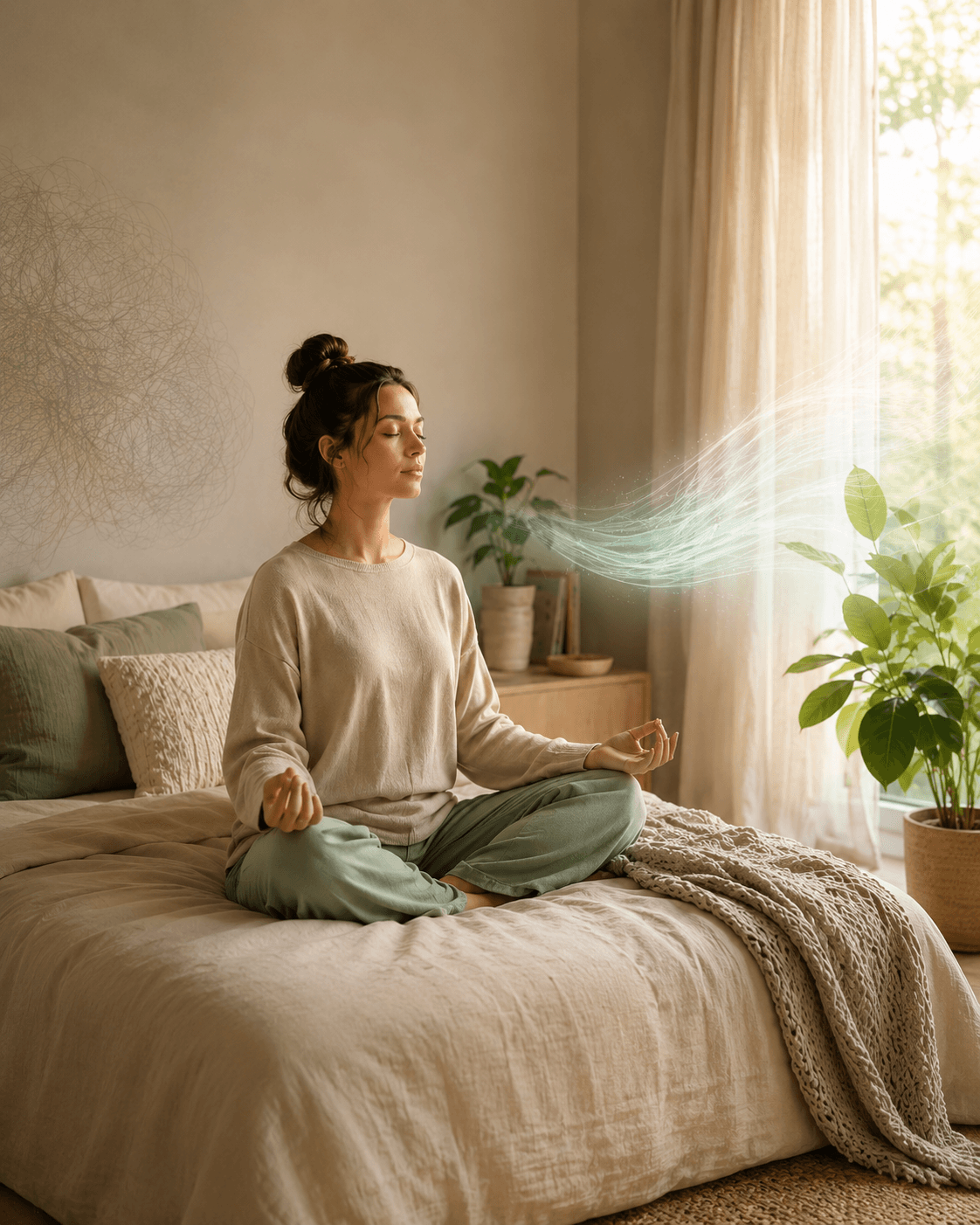
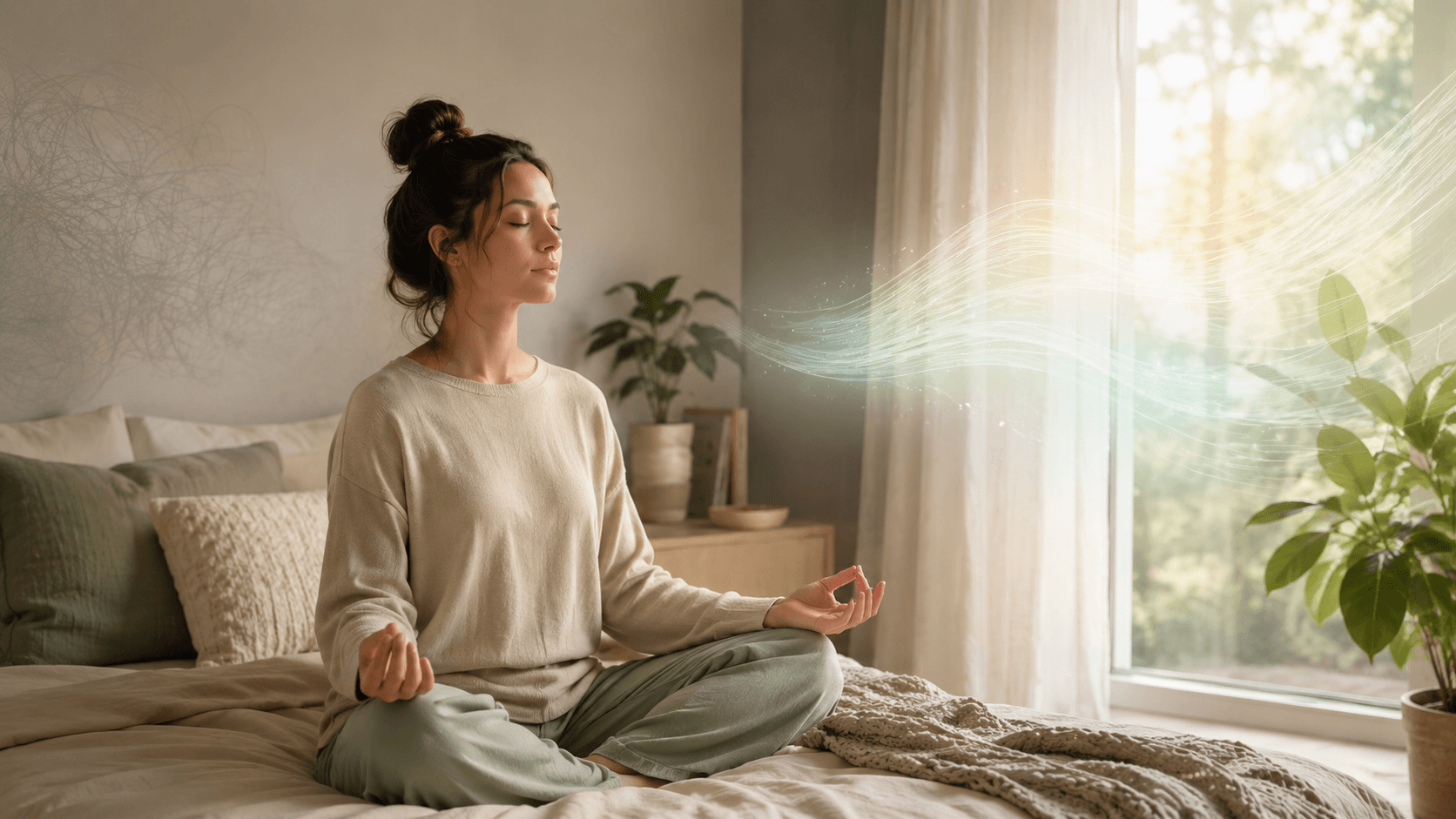
You get to the end of the day and realize you've been holding your breath for hours. Not literally — but something in your chest has been tight since morning. Your mind is still running through yesterday's meeting, tomorrow's deadline, and the ten things you forgot to do.
If that sounds familiar, you're not broken. You're human — and your nervous system is doing exactly what it was designed to do.
The question is: how do you help it come back down?
What's actually happening when you're stressed
Stress isn't just a feeling. It's a physical process. When your brain detects a threat — real or imagined — it triggers a cascade of hormones, particularly cortisol and adrenaline, that put your body on high alert.
Your heart rate rises. Your muscles tense. Your digestion slows. Your thinking narrows to focus on the problem in front of you.
This response is useful in short bursts. The trouble is, modern life keeps the alarm switched on — emails, noise, uncertainty, an endless queue of small demands. Over time, that low-level tension becomes the background hum of everyday life.
Most people don't even notice it anymore. It just feels normal.
Where meditation fits in
Meditation isn't a cure, and it isn't magic. What it is, is a way to deliberately interrupt the stress cycle — to give your nervous system a signal that the threat has passed.
When you sit quietly, breathe slowly, and bring your attention to the present moment, you activate the parasympathetic nervous system — the part responsible for rest and recovery. Your heart rate slows. Your muscles soften. Your body starts to believe it's safe.
Research suggests that even short, consistent meditation sessions — ten minutes or less — can reduce cortisol levels over time and make it easier for the body to recover from stressful events.
The key word is consistent. A single session won't rewire anything. But a small daily practice, done regularly, begins to shift how your nervous system responds by default.
Simple ways to add meditation to your day
You don't need to sit cross-legged for an hour. You don't need an app, a cushion, or a quiet room. What you need is a few minutes and a willingness to return to the present.
Here are a few approaches that work for real people with real schedules:
Morning anchor — Before you check your phone, spend two minutes sitting upright and focusing on your breath. Just breathe in for four counts, out for four counts. That's it. Start the day before the noise does.
Mid-day reset — Set a gentle alarm for midday. When it goes off, pause for five minutes. Close your eyes. Notice your body. Notice your breath. Let thoughts come and go without following them.
Evening wind-down — Lie on your back before bed. Scan your body slowly from feet to head, releasing tension as you go. This is one of the simplest ways to signal to your nervous system that the day is done.
If you miss a day, don't make it mean anything. Just start again tomorrow.
Skill to Try: The 4-7-8 Breath
You can do this anywhere. At your desk, in your car, in the bathroom before a meeting. No one needs to know.
A note on expectations
Meditation won't make your problems disappear. It won't stop hard things from happening. What it can do is change your relationship to difficulty — the space between stimulus and response, where you get to choose how you show up.
That space, even if it's only a few seconds wider, makes a real difference.
Some people also choose to support their nervous system with other tools — sleep, movement, time outdoors, and occasionally supplements like magnesium or adaptogens. None of these replace rest and reflection. But combined with a daily practice, they can help create conditions where recovery becomes easier.
You already have what you need
The simplest version of meditation is just this: sit down, breathe, notice what's happening inside you, and stay there for a few minutes.
That's it. You don't need to quiet your mind — that's not the goal. The goal is to watch the noise without getting swept away by it.
Over time, that capacity grows. And slowly, the background hum gets a little quieter.
If you'd like to explore more tools for stress, sleep, breathing, and daily balance, ANIVO has guides and overviews across all of these topics. Start wherever feels right.
Educational Disclaimer
This content is for informational and educational purposes only. It is not intended as medical advice and does not replace professional consultation. Always speak with a qualified healthcare provider before making changes to your health routine.
Questions About This Topic
A Practice to Try
A short guided practice connected to this topic.
Nervous System Reset | Guided Breathwork
Beginner
A guided breathwork practice designed to help you explore short, intentional breathing patterns and return to a calmer state. This practice may support a sense of reset and nervous system awareness.
This practice is for educational purposes only and is not medical advice. If you feel unwell or have a medical condition, consult a qualified healthcare professional before starting any new practice.
Related Reading
Understanding Cortisol and Its Role in Daily Stress
Cortisol is often described as the body's stress hormone, but that is only part of the story. Learn why cortisol is essential, how it changes throughout the day, and what ongoing stress may mean for daily wellbeing.
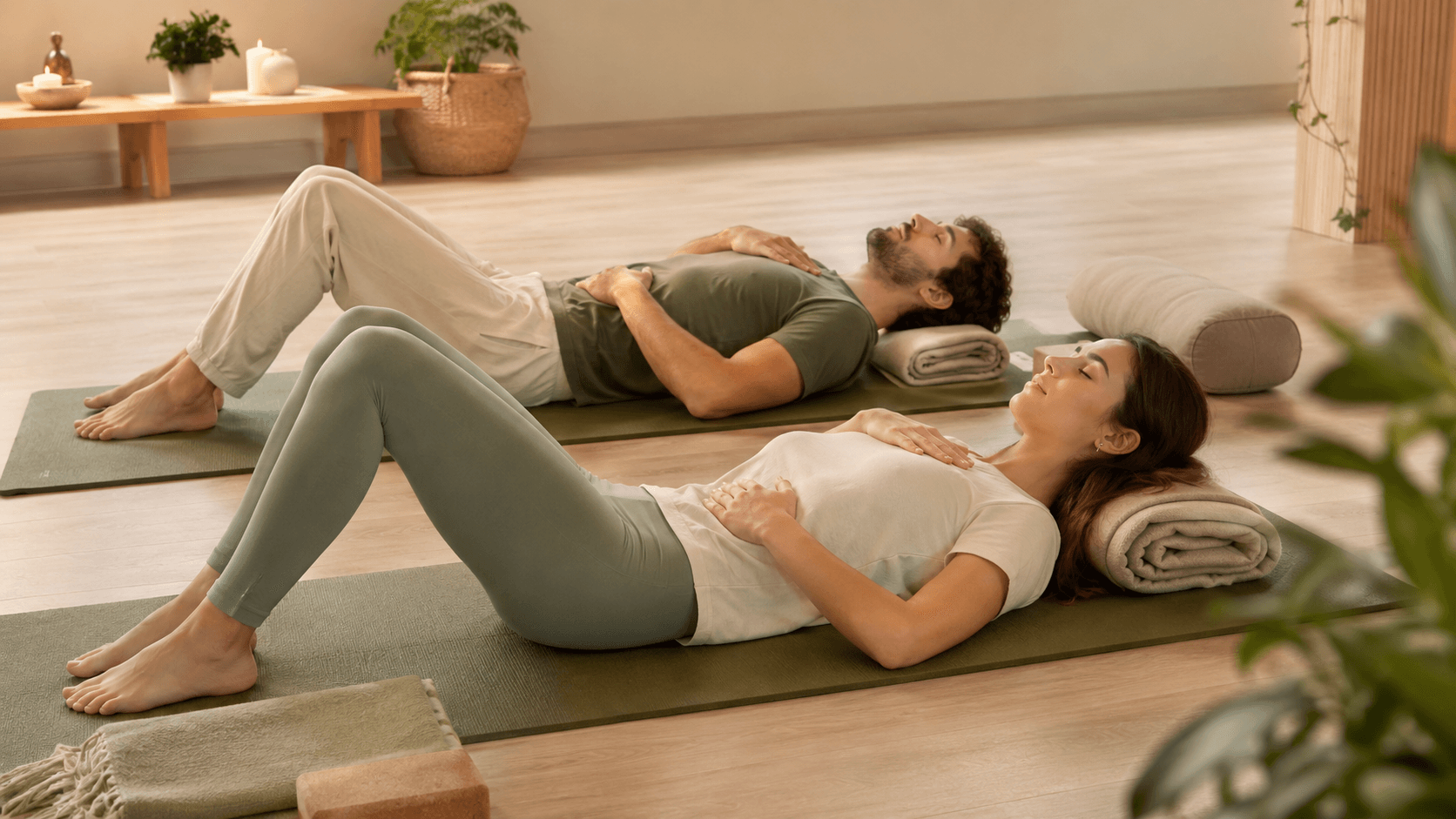
Breathing Techniques for Beginners: 3 Gentle Practices to Try
Explore three beginner-friendly breathing techniques: breath awareness, gentle diaphragmatic breathing, and a softer exhale. This practical guide helps you begin with comfort, simplicity, and no pressure to follow a perfect rhythm.

Continue exploring
Discover guides, supplements, books, and practical resources for stress & mental balance.